Reports
30 Leading Web3
Venture Capital Investors
Who Is Funding Web3 in 2025–2026
Updated for January 2, 2026
We are pleased to present a curated report covering the leading Web3 venture capital funds globally. This curated report focuses on how these investors evaluate projects, deploy capital, and assess regulatory and structural risk in the current market cycle.
Unlike generic VC lists that recycle logos and outdated narratives, this resource is designed for founders who are actively fundraising and need to understand not only who to approach, but how and why investment decisions are made.
The report provides practical, investor-level insight into the Web3 venture capital landscape as it exists today.
It is Free. Updated for 2025–2026.
Exclusive Access – 20 February 2026
What The Leading Web3 Venture Capital Funds Actually Invest In
Web3 venture capital funds are increasingly selective about where they deploy capital. Investment decisions are now driven by a combination of market opportunity, technical execution, and legal and structural readiness.
The report identifies the sectors that continue to draw consistent investment. These include blockchain infrastructure, decentralized finance, tokenized real-world assets, digital payments, and emerging Web3 applications. It also examines protocol-level innovation. In addition the report outlines how funds differentiate between token-based and equity-based models and how investment preferences vary by stage.
By understanding where capital is actively flowing, founders can better align their fundraising strategy with investor expectations.
How We Identified The Leading Web3 Venture Capital Funds
This report is based on a structured review of publicly available deal activity and open-source investment data, combined with qualitative signals that indicate whether a fund is actively deploying capital in the current cycle.
We deliberately focused on activity, not deal size, brand recognition, fund AUM, or any perceived “quality ranking.” A fund can be highly influential while remaining relatively inactive for a given period. Whereas, a smaller or less public fund may be consistently deploying capital into strong Web3 teams.
We evaluated funds based on repeat participation in disclosed rounds, portfolio updates, and verifiable investment signals across multiple sources.We alsocross-checked this against publicly stated sector focus to ensure relevance to Web3 fundraising in 2025-2026.
The objective is simple: to help founders prioritize outreach toward investors who are demonstrably active today, rather than those who are merely well known.
How Web3 Investors Evaluate Founders, Tokens, and Traction
Investor diligence in Web3 extends well beyond pitch decks and product demos. Venture capital firms assess founding teams on execution capability, governance maturity, and the credibility of their operating structure.
Token design, distribution mechanics, and economic sustainability are scrutinized closely, particularly in projects involving regulated activities or cross-border operations. Investors also evaluate traction through user adoption, revenue signals, partnerships, and realistic go-to-market strategies.
The report outlines the core factors that investors consistently review before engaging in serious discussions.
Fundraising in Web3: Structure, Jurisdiction, and Regulatory Readiness
Legal and regulatory considerations now form a central part of Web3 fundraising. Venture capital firms expect founders to have a clear understanding of their jurisdictional setup, as well as licensing requirements and regulatory exposure.
The report explains how jurisdictional choices, corporate structuring, and compliance frameworks influence investor confidence. It also highlights common structural mistakes that delay or derail fundraising, particularly in projects that underestimate regulatory complexity.
Founders who decide to address these issues early are significantly better positioned during investor diligence.
Web3 Venture Capital and the UAE Market
The United Arab Emirates has emerged as a key hub for Web3 capital formation, attracting founders, funds, and institutional players from around the world.
The report provides insight into how global venture capital firms view projects operating from or anchored in the UAE. This includes the role of free zones, regulators, and compliance frameworks in investor decision-making. This context is relevant for founders considering relocation or structuring their ventures in the region.
In addition, the report includes a complimentary bonus section featuring a curated list of venture capital funds and investment firms with an active presence in the UAE, created to help founders identify local capital and ecosystem entry points more efficiently.
Practical Advice from TOP VCs Managing Partners
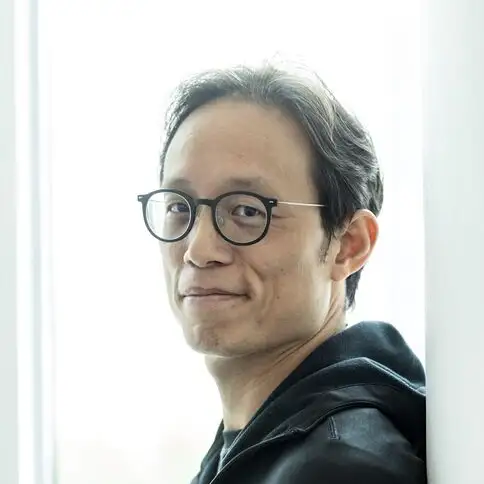
Yat Siu
Co-founder of Animoca Brands

“If you’re building in crypto, you are building a financial product – whether you like it or not. Everything becomes a capital asset, which means founders must be financially literate, not just technically strong.
You can’t think in zero-sum terms or traditional market share logic, because crypto is permissionless and driven by shared network effects. The founders who succeed understand that they’re helping grow an ecosystem, not just a company. Ownership, composability, and liquidity are not features, they are the foundation. Gaming, culture, RWAs, even education finance all converge here.
In 2026, the winning founders will be those who understand markets, communities, and capital flows as deeply as they understand product.”

Ella Zhang
Head of YZi Labs

“If you’re building in 2026, my advice is simple: trust yourself and play the long game. The best ideas are usually seen by very few people at the beginning, so you need conviction, and you need to ignore most of the noise, because this market is loud.
Focus on shipping product. Put something in front of users, get real feedback, and iterate fast. Investors are not your validation – users are. When it comes to fundraising, don’t optimize for a big valuation or a headline round. Raise what you actually need to hit the next milestone, and stay disciplined about dilution.
And before you commit years of your life, ask yourself the hard questions: why this problem, why now, and why you. That internal driver will carry you through the downs.”

Kelvin Koh
Co-Founder, Partner, CIO

“The one thing that founders don’t spend enough time on is talking about the team – why they’re the right team to do it, what the background is, and why they’re suited to tackling this opportunity. Usually the team slide is just one slide, and they don’t even spend much time talking about it.
But if you talk to most venture funds and you ask them what is the most important thing when you make an investment, every venture fund will tell you it is the founder and the team. Good founders and good teams, if they run into roadblocks or barriers, they will figure out a way to pivot.
The deck is the first filter, so the deck has to stand out and capture our attention very quickly.”

Cosmo Jiang
General Partner and Portfolio Manager

“Crypto is no longer about experimentation – it’s about building real businesses. At the early stage, we back founders first: people who are deeply motivated, commercially minded, and willing to run through walls to make the product work.
But passion alone is not enough. The next generation of winning companies will show clear product-market fit, real customers, and a credible path to free cash flow. Infrastructure is largely in place. What matters now is execution at the application layer, products that can reach millions of users, not just impress other builders.
The founders who succeed in 2026 will be those who understand both technology and business, who solve problems they personally understand, and who build with long-term conviction rather than chasing short-term narratives.”
Garen Vangelis
Founder & GP

“Simplifying the idea is key. A lot of decks are thirty pages of word salad, technical diagrams, and jargon, and people lose interest very quickly. What we want to see is what you’re building, where you’re at, how you’re going to get there, and who the team is.
Early-stage investing is not just about the idea – it’s about the founders. Everybody has ideas, but ideas are nothing without execution. Founders can pivot two, three, four times and still succeed, but they need a clear end goal.
Keep it simple, to the point where even your consumer understands what you’re doing.”
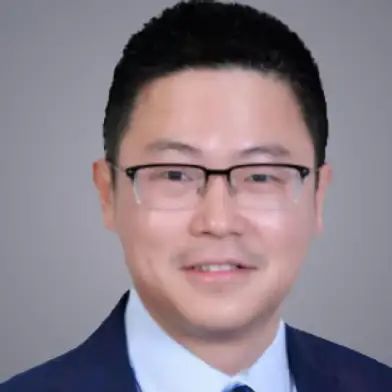
Deng Chao
HashKey Singapore President and CEO

“The first piece of advice is build for real applications. Storytelling wouldn’t go long anymore. In the previous cycles many founders can raise big money with a few slides with beautiful stories. That wouldn’t go long.
Next cycle is about addressing real needs and building real applications. Secondly, they have to consider regulation and compliance in their business model. Like it or not, regulation is here to stay and play bigger roles. Actually we do need regulation to create a level playing field.
And lastly work with big players like institutions. We need their help for mass adoption.”
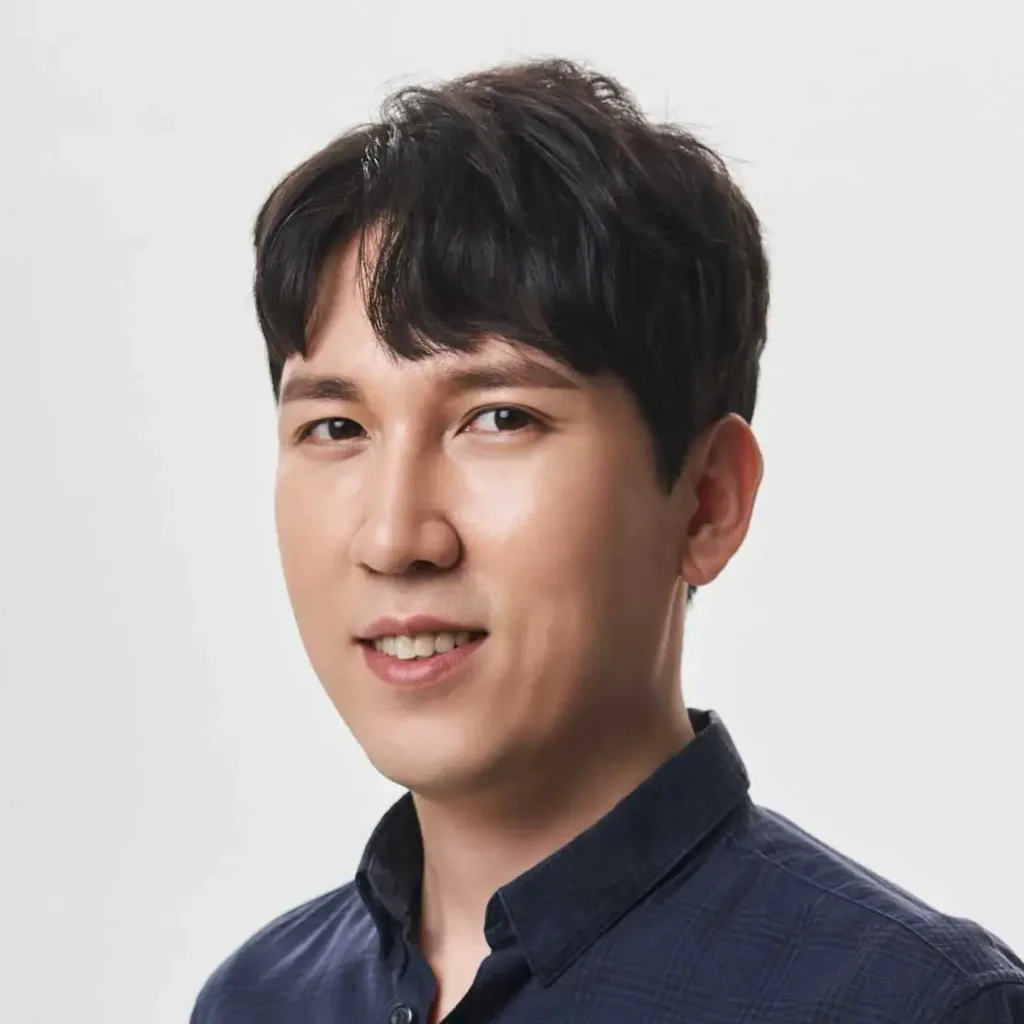
Simon Seojoon Kim
CEO & Managing Partner

“If you’re building for 2026, don’t build for the next cycle – build for the next decade. Markets will always be volatile, and narratives will come and go, but fundamentals compound.
Focus on a real problem, a clear user, and a product that people will still use when the hype disappears. Spend your time on team quality, execution, and distribution – not on short-term signaling. Be globally minded from day one, because the best Web3 companies are born international. And choose a path you can stay committed to: resilience matters more than speed.
If you keep building through the quiet periods, you’ll be there when the market turns.”
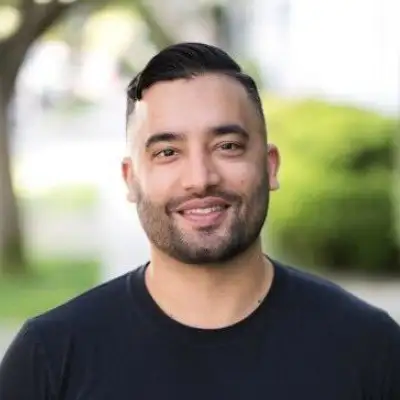
Hoolie Tejwani
Head of Coinbase Ventures

“The biggest thing that we filter on is really intrinsic motivation and long-term orientation. There are a lot of folks who come into crypto with short-term goals – we look to partner with the missionaries, not the mercenaries.
Raise money if you’re trying to build something you’re going to work on for the next five or ten years of your life. Build something and put it out there. Is there code? Is there something we can poke around with? It’s very low cost to start building in this space.
Having substance, even an MVP or proof of concept, definitely helps raise across the filter.”
Frequently Asked Questions
What is a Web3 venture capital fund?
A Web3 venture capital fund is an investment firm that provides capital to companies building blockchain-based technologies, digital asset platforms, decentralized protocols, and Web3 applications. These funds typically invest in early to growth-stage projects and may invest through equity, tokens, or hybrid structures
How do Web3 venture capital funds differ from traditional VCs?
Web3 venture capital funds often assess additional factors beyond those considered by traditional venture capital firms. These include token economics, protocol governance, regulatory exposure, jurisdictional structure, and how a project operates in decentralized or cross-border environments.
At what stage do Web3 venture capital funds typically invest?
Most Web3 venture capital funds invest at the pre-seed, seed, and Series A stages, although some also participate in later-stage rounds. Early-stage investments often focus on team quality and vision, while later-stage investments place greater emphasis on traction, revenue, and regulatory readiness.
Do Web3 venture capital funds invest in tokens or equity?
Web3 venture capital funds may invest through equity, tokens, or a combination of both. The structure depends on the nature of the project, regulatory considerations, and the fund’s investment strategy. In many cases, token-based investments require additional legal and compliance analysis.
How important is regulation to Web3 venture capital investors?
Regulatory considerations are increasingly important to Web3 venture capital investors. Funds assess jurisdictional setup, licensing exposure, compliance strategy, and token classification as part of standard diligence, particularly for projects operating in regulated or institutional-facing sectors.
Does jurisdiction matter when raising capital from Web3 VCs?
Yes. Jurisdiction can significantly influence investor perception and diligence requirements. Web3 venture capital funds often prefer projects structured in jurisdictions with clear regulatory frameworks, legal certainty, and credible enforcement, including the United Arab Emirates, Europe, and select Asian and U.S. jurisdictions.
What do Web3 venture capital funds look for in founders?
Web3 venture capital funds typically look for founders with strong technical or domain expertise, credible execution ability, and a clear understanding of the regulatory and operational challenges of building in Web3. Governance maturity and long-term alignment are also important factors.
Is being based in the UAE attractive to Web3 venture capital funds?
For many Web3 venture capital funds, the UAE is an increasingly attractive base due to its regulatory clarity, access to capital, and growing ecosystem. Projects anchored in the UAE are often viewed as more credible when operating in regulated or institutionally focused sectors.
How should founders prepare before approaching Web3 venture capital funds?
Founders should ensure their corporate structure, token design, and jurisdictional setup are clear before initiating fundraising conversations. A well-prepared approach demonstrates seriousness and reduces friction during investor diligence.
Can Web3 founders raise capital without a venture capital fund?
Yes. Web3 founders may raise capital through alternative methods such as grants, strategic partnerships, revenue-based financing, or community-driven funding. However, venture capital remains a primary source of growth capital for many Web3 projects.
Author
Irina Heaver is the UAE Crypto Lawyer and founder of NeosLegal. She has structured 300+ crypto and Web3 projects and advised governments and regulators on crypto-asset frameworks. Her practice focuses on VASP licensing, tokenization and compliance across VARA, SCA, ADGM, and DIFC.
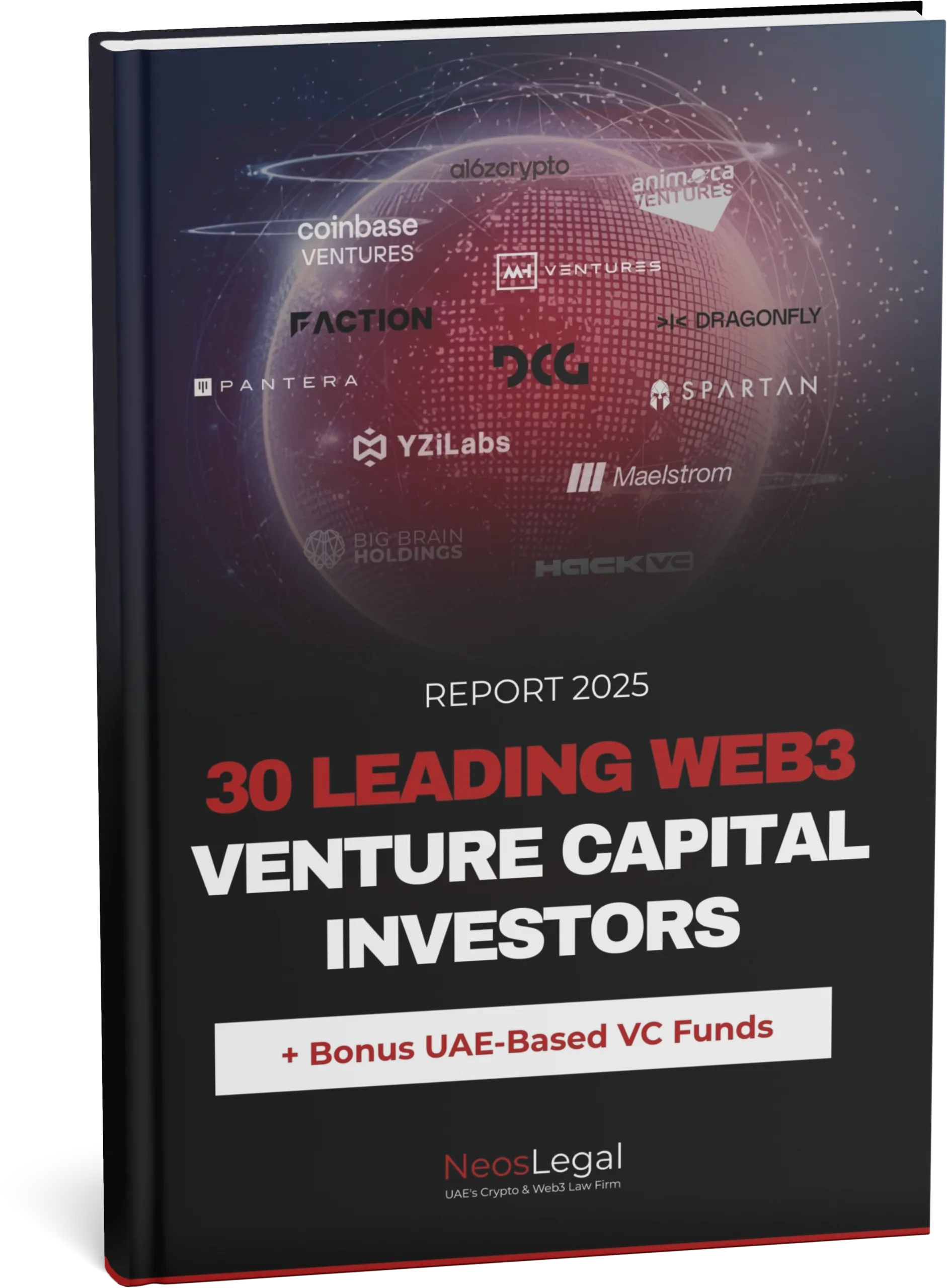
Request Your Copy of the 30 Leading Web3 Venture Capital Funds Report
Get a structured overview of active funds, investment focus areas, and fundraising considerations relevant to the 2025–2026 market cycle.
Founders can access the report free of charge.
Your exclusive copy drops on February 20, 2026!
If you believe a fund should be included, updated, or corrected based on recent activity, we welcome constructive input.
Please contact us with verifiable information, and our team will review proposed edits as part of future updates to the report.