


At a Glance
| Field | Detail |
|---|---|
| Client | A professional over-the-counter virtual asset brokerage. |
| Sector | Over-the-counter virtual asset brokerage; federal licensing |
| Jurisdictions | United Arab Emirates (federal, onshore) |
| Regulators Assessed | Capital Markets Authority (CMA), formerly the Securities and Commodities Authority |
| Services | Brokerage entity structuring, CMA licence application, AML and CFT controls, client onboarding and suitability, custody and settlement arrangements, compliance framework |
| Structure Value | USD 100 to 150 million |
01. The Challenge
Institutional and professional participants do not generally trade size on a retail order book. They trade OTC, bilaterally, against a desk that quotes and settles. That makes OTC brokerage a load-bearing part of the UAE's digital asset market, and it also makes it a regulated activity that has to be licensed rather than assumed.
The federal route introduces two specific difficulties. The first is precedent: exchange licensing has a visible body of practice, and OTC brokerage under the federal framework has none. Questions about the boundary between brokerage, dealing and market making, and about how settlement obligations are characterised, do not have off-the-shelf answers.
The second is that a brokerage licence is not a document, it is an operating model the regulator has to be satisfied with. Onboarding, suitability, custody, settlement and financial crime controls all have to exist and function before the licence is meaningful. Our UAE crypto broker-dealer licence page sets out the framework.
02. What NeosLegal Is Doing
-
Brokerage entity structuring
Designing the corporate structure to sit correctly within the federal perimeter, including how the licensed entity relates to any group and offshore arrangements.
-
The CMA licence application
Preparing and running the federal application, with regulatory strategy led directly by the firm's founder. See our CMA federal crypto licence practice.
-
AML and CFT controls
Building the financial crime programme to federal expectations rather than adapting an offshore or foreign template.
-
Client onboarding and suitability
Designing the onboarding and suitability framework appropriate to a professional and institutional client base, including categorisation and the controls that follow from it.
-
Custody and settlement arrangements
Structuring where client assets sit, who controls them, and how settlement obligations are discharged, which is also what determines the licensing classification.
-
The wider compliance framework
The reporting, governance and control environment needed to operate inside the federal perimeter on an ongoing basis.
03. Status and Outcomes
| Outcome | Detail |
|---|---|
| Ongoing mandate | Running the full licensing lifecycle rather than a document-preparation scope. |
| Regulatory strategy led at founder level | With Irina Heaver leading the licensing process and Zainab Kamran on corporate documentation and regulatory submissions. |
| IPA received | In-Principle Approval received in 6 working days, the business is being operationalised |
04. Key Takeaways for OTC Desks
-
Settlement mechanics determine your licence category. Where assets sit and who carries risk between agreement and settlement decides whether you are brokering, dealing or making a market.
-
Federal and emirate routes are not interchangeable. A desk serving institutional clients across the UAE has different considerations from one operating within Dubai. The choice should follow the client base and the model.
-
Professional client status is a control. Categorising clients as professional carries onboarding and suitability obligations that the regulator will test.
-
Build the operating model, then apply. A brokerage licence is granted on the strength of controls that exist. Applications describing intended future controls invite queries the applicant cannot answer quickly.
Key Contacts
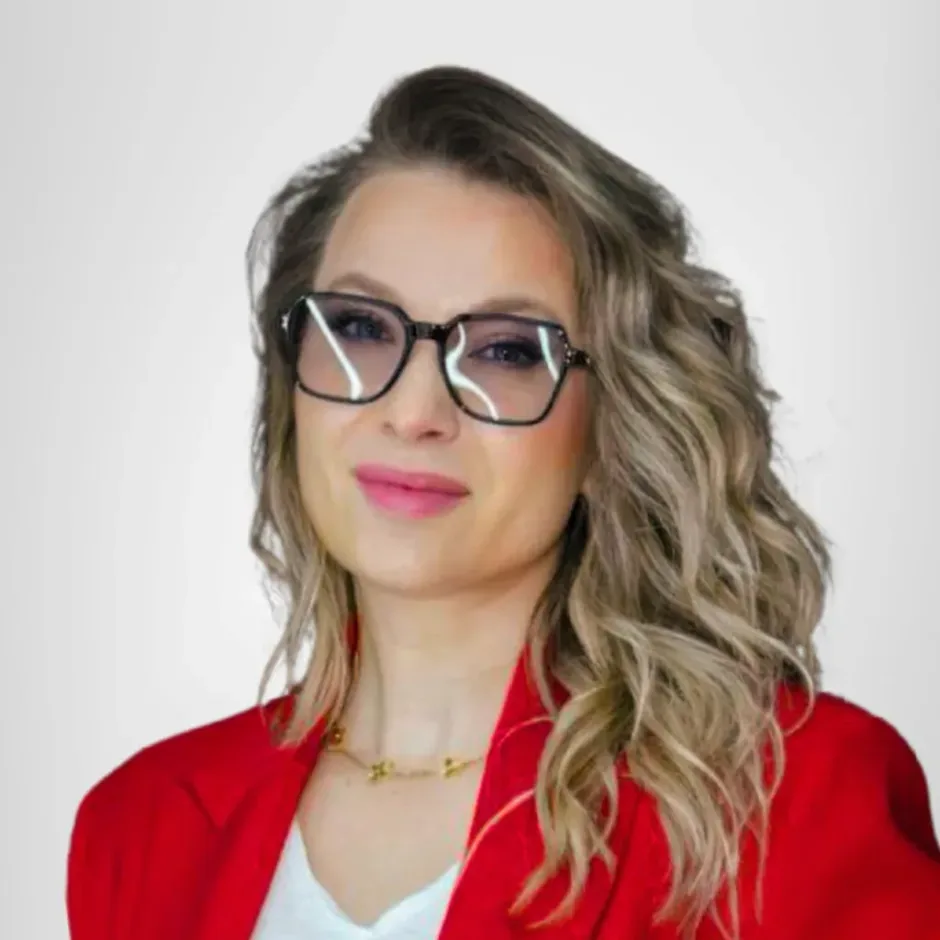
Founder | UAE Crypto Lawyer

Associate | Web3 Lawyer
FAQ
-
Yes. Over-the-counter dealing and brokerage in virtual assets is a regulated activity. Which regulator applies and which category the activity falls into depends on the model and where the business operates, but operating an OTC desk without authorisation is not an option.
-
Both regimes can be relevant. VARA licenses virtual asset activity in the Emirate of Dubai excluding the DIFC; the CMA licenses at federal level across the UAE. The right route depends on the client base, the scale and the intended reach of the business.
-
Broadly, a broker arranges transactions between parties, while a dealer transacts as principal and takes the other side. The distinction turns on who bears price risk and where the assets sit during settlement, and it determines which permissions are required.