

WHY CHOOSE NEOSLEGAL
Why Founders and Institutions Choose NeosLegal
NeosLegal has worked only on crypto and Web3 since 2016, before VARA existed, before ADGM had a crypto framework, and before most UAE firms understood what Bitcoin was. That head start shows in the track record, the recognition, and the way engagements run.
Track Record
- 350+ UAE Web3 and crypto projects structured and 750+ founders advised since 2016, with zero client enforcement actions in ten years.
- USD 500 billion in transactions advised and deals closed.
- 20+ VASP licence applications advised across the UAE regulators.
- 250+ Tier-1 exchange legal opinions at a 100% acceptance rate, a commercially verifiable outcome across hundreds of submissions.
Independent Recognition
- Best UAE Crypto Law Firm 2026, UAE Business Awards Middle East.
- Middle East Technology Legal Team of the Year, The Oath Middle East, November 2025.
- Authors the UAE chapters of the Chambers Blockchain and Crypto Assets guide, 2025 and 2026.
- Irina Heaver ranked as Recommended Blockchain Lawyer in the UAE 2025 and 2026, Lexology.
Regulatory Coverage
- All five UAE regulatory pathways, VARA, ADGM (FSRA), DIFC (DFSA), the federal CMA and CBUAE, handled within a single firm, with no coordination overhead between separate advisers.
- 60+ jurisdictions covered in total for cross-border structuring since 2016.
- Federal CMA Category RWA Tokenization Exchange, broker-dealer and OTC dealing desk licences delivered end to end, including the full policy suite, AML risk and controls register, and Approved Persons submissions the regulator requires.
Every engagement is fixed-fee with defined milestones confirmed before work begins. Direct access to Irina Heaver and senior associates throughout, not associates managing the relationship.
What founders need to know
Key Takeaways
- Tokenizing a real-world asset is a structuring problem first. The token has value only if it maps to an enforceable legal claim on the asset, usually through an SPV that holds the asset.
- VARA’s Rulebook 2.0 (in force 19 June 2025) introduced the ARVA framework, the world’s first dedicated regulatory regime for asset-referenced tokens, putting Dubai ahead of most jurisdictions on RWA.
- An asset-referenced token issued in Dubai sits in Category 1 of VARA’s Virtual Asset Issuance Rulebook and needs a VARA licence and prior approval before issuance.
- ADGM and the DIFC, both common-law financial free zones, offer routes for tokenized securities and fund interests, alongside VARA’s asset-referenced regime. At the federal level, the CMA is the primary regulator where the token is a security or a commodity contract.
- The structure must hold up off-chain as well as on-chain: legal title, custody of the asset, the rights of token holders, and what happens on default or wind-down all have to be drafted, not assumed.
- Common asset classes include real estate, fund and securities interests, commodities such as gold, and private credit.
“The token launch is the easy part. The question that decides whether a tokenization works is what a holder actually owns, and whether they can enforce it. If the token does not map cleanly to a legal claim on the asset, you have built a collectible, not a tokenized asset.”

Introduction
Real-world asset tokenization is where on-chain mechanics meet off-chain law, and the law is what makes it real. A token that represents a building, a fund interest, or a bar of gold is only as good as the legal structure that connects it to the asset. That structure is a chain of documents: a vehicle that owns the asset, a clear record of title, a token that maps to defined rights, and a custody and enforcement mechanism that works if something goes wrong. The UAE has moved ahead of most of the world on this, with a dedicated regime in Dubai, but the structuring discipline is the same everywhere.
This page explains what a UAE RWA tokenization lawyer does, how the UAE regulates asset-referenced tokens, how a tokenized asset is structured, and which asset classes are commonly tokenized. NeosLegal has structured tokenization vehicles across VARA, ADGM, and the DIFC since 2016.
What an RWA Tokenization Lawyer Does
This is structuring, regulatory, and asset work combined. The specific deliverables you should expect:
Design the legal structure
Design the legal structure that links the token to the asset, so that holders have an enforceable claim.
Set up the issuing vehicle
Set up the issuing and asset-holding vehicle, commonly an SPV, and document clean legal title to the asset.
Classify the token
Classify the token, confirm it is an asset-referenced token, and map the regulatory path under VARA, ADGM, or the DIFC.
The VARA licence pathway
Prepare the VARA licence and prior-approval pathway for an ARVA issuance in Dubai, where that is the chosen route.
Structure the trading venue layer
Structure the trading venue layer where tokens will trade on a secondary market: the exchange and broker permissions for RWA and tokenized securities venues, including the CMA’s federal route.
Draft the token terms
Draft the token terms, holder rights, custody arrangements, and the default and wind-down mechanics.
The AML and KYC framework
Build the AML and KYC framework for issuance and transfer, and the disclosure documents for investors.
Tax, asset treatment and reporting
Advise on tax, the treatment of the underlying asset, and ongoing reporting after issuance.
We work with asset owners, real-estate sponsors, fund managers, and tokenization platforms across the UAE.
How the UAE Regulates Real-World Asset Tokenization
Dubai has the most developed position. VARA’s Rulebook 2.0, in force since 19 June 2025, introduced the ARVA framework, a dedicated regulatory regime for asset-referenced tokens, which are tokens whose value references one or more underlying assets. An asset-referenced token issued in Dubai falls in Category 1 of VARA’s Virtual Asset Issuance Rulebook and requires a VARA licence and prior approval before it can be issued. Outside that asset-referenced regime, where the token is structured as a security or a fund interest, ADGM under the FSRA and the DIFC under the DFSA offer common-law routes for tokenized securities and fund interests. The right framework depends on what the token legally represents, a claim referenced to an asset, a security, or a fund interest, which is a classification question that has to be answered before issuance. The point of the Dubai regime is that asset-referenced tokens now have a named, dedicated pathway rather than being forced into an ill-fitting category. The federal layer completes the map: the CMA is the primary regulator where the token is a security or a commodity contract, whatever the virtual asset wrapper, and its Decision No. 4/R.M/2026 licenses the exchange and broker services that trade tokenized securities and RWA tokens across the UAE. A trading venue for tokenized assets is its own permission, structured on top of the issuance work.
Structuring a Tokenized Real-World Asset
The structure is what gives the token value, and it has to work in the real world, not just on the chain. The common pattern is a special purpose vehicle that holds legal title to the asset and issues the token, so that the token represents a defined claim against the vehicle and, through it, the asset. Getting this right means documenting clean title to the asset, defining exactly what rights the token carries, whether to income, to value, or to both, and arranging custody of the asset so it cannot be moved or encumbered outside the structure. It also means drafting for failure: what happens to token holders if the sponsor defaults, if the asset is sold, or if the structure is wound down. A tokenization that skips these questions looks complete until it is tested, and the test is the only thing that matters. The on-chain token and the off-chain documents have to describe the same rights, or the gap between them is where holders lose money.
Asset Classes Commonly Tokenized
Several asset classes lend themselves to tokenization, each with its own structuring detail. Real estate is the most visible, where a vehicle holds the property and tokens represent fractional economic interests, subject to how title and property law treat the holding. Fund and securities interests can be tokenized so that the token is the record of the interest, which sits naturally with the ADGM and DIFC regimes. Commodities such as gold can be tokenized where the structure ties each token to allocated, custodied metal. Private credit and debt instruments can be tokenized so that the token carries the right to repayment and yield. In every case the asset class changes the documents, the custody, and the regulatory route, which is why the structure is built around the asset, not copied from a template.
Who Needs an RWA Tokenization Lawyer, and Who Does Not
Who needs one
- You need an RWA tokenization lawyer if you are tokenizing real estate, a fund or securities interest, a commodity, or a credit instrument, or building a platform that issues or trades asset-referenced tokens. You also need one if you are issuing an asset-referenced token in Dubai, because that requires a VARA licence and prior approval, and the structure behind the token is what the regulator examines.
Who does not, yet
- You probably do not need one yet if you are at the concept stage with no identified asset or rights to tokenize, or issuing a pure utility token with no reference to an underlying asset, which is a different exercise. A scoping call will confirm whether your token is asset-referenced, which regulator applies, and how the structure should be built.
What Does UAE RWA Tokenization Cost?
Legal fees depend on the asset class, the structure, the regulatory route, and how much of the title and custody work is built from scratch. For a single-asset tokenization with an SPV, token terms, and a defined regulatory path, legal fees commonly range from USD 25,000. Multi-asset platforms, asset-referenced token licences, and complex title or custody arrangements sit at the higher end. Regulator fees, capital, custody, valuation, and audit costs are separate. NeosLegal provides a clear fee estimate after the initial strategy call, once scope is defined.
Cost ranges are indicative, reviewed periodically, and confirmed in writing after scoping. They are not a quote.
Why a Crypto-Native Firm, Not a General Commercial Firm
A general commercial firm can hold an asset in an SPV. The harder knowledge is making the on-chain token and the off-chain rights describe the same claim, satisfying VARA’s asset-referenced regime, and drafting custody and default mechanics that survive a real test. A generalist learns this on your deal and your timeline. A crypto-native firm that has structured tokenization vehicles across VARA, ADGM, and the DIFC since 2016 has already made those calls. You also get no hand-offs, with direct access to Irina Heaver and senior associates throughout.
“The failure mode in tokenization is a beautiful token sitting on top of a structure that gives holders nothing they can enforce. We start from the claim and work outward, so the token and the rights are the same thing, not two documents that disagree.”
Track record
Representative Matters
-
RWA Tokenisation
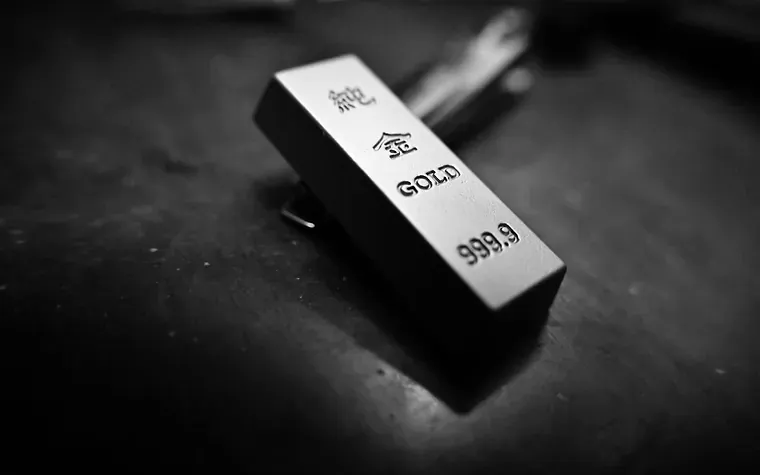
Gold-Backed Token Offering
Advised on the issuance of a gold-backed token, structuring the licensing, issuance and physical-custody arrangements so the offering met UAE regulatory requirements for asset-referenced tokens.
-

RWA Tokenisation
UAE Corporate Bond Tokenisation
Structured the legal framework for tokenizing a UAE-issued corporate bond, ensuring compliance with securities laws, investor protections and on-chain coupon/dividend distribution.
-

RWA Tokenisation
Fractionalised Diamond Tokenisation
Built the regulatory and contractual structure for a fractional diamond-ownership token, covering asset verification, custody and investor-grade disclosures for compliant sales across multiple jurisdictions.
-

VASP Licensing & Regulatory
RWA Tokenisation Platform under VARA
Designed the VASP licensing pathway for a Dubai real-world-asset tokenisation platform under VARA, aligning its token-offering model with both VARA rules and global standards to make the platform institutional-investor ready.
Browse 100+ Representative Case Studies
View All Case StudiesRelated Services
A tokenization mandate rarely sits in one box. For the educational walkthrough, see our RWA tokenization service and the UAE VASP licensing guide . For Dubai licensing, see our VARA licensing lawyer page , and for Abu Dhabi, our ADGM crypto lawyer page . For the federal layer, see the CMA federal crypto licence page . If you are issuing the token itself, read our token launch lawyer page, if a fund will hold the tokens, our crypto fund lawyer page , and for the general overview, our crypto lawyer in Dubai and UAE page .